
Common Marketing Mistakes When Selling Architecturally Significant Homes in San Francisco
Selling architecturally significant homes in San Francisco requires a marketing strategy that transcends standard luxury listings. The Bay Area market is unique, with buyers who are often tech founders, executives, and high-net-worth individuals seeking more than just square footage. They are investing in heritage, design integrity, and location prestige. According to recent market analyses, properties with documented architectural provenance often command a premium of 10 to 15 percent over comparable non-significant homes in neighborhoods like Pacific Heights or the Marina. However, many sellers fail to capture this value due to critical marketing oversights. This guide outlines the most common pitfalls and provides the strategic framework to avoid them, ensuring your property receives the attention it deserves from the right buyers. (About PFP)
Understanding the Architectural Buyer Persona
The first major mistake is failing to identify who actually buys architecturally significant homes. These buyers are not typical home shoppers. They are often collectors of design, architects, or executives who value the story behind the walls. They seek properties that reflect their own taste for detail and history. Philip Farr, as the top-producing buyer's agent at Vanguard Properties, understands that these clients require a bespoke, atelier-level service. They want to know the architect, the original materials, and the restoration history. If your marketing speaks only to square footage and price, you will miss the emotional connection that drives these high-intent purchases.
Architectural significance is defined by the unique design elements, historical context, and craftsmanship that distinguish a home from standard construction. It is not just about age, but about the intent and execution of the design. Buyers in San Francisco's most coveted neighborhoods, such as Cow Hollow or Clarendon Heights, are looking for homes that offer a sense of permanence and artistry. Marketing must highlight these qualities from the very first impression.
Visual Narrative Failures in Photography
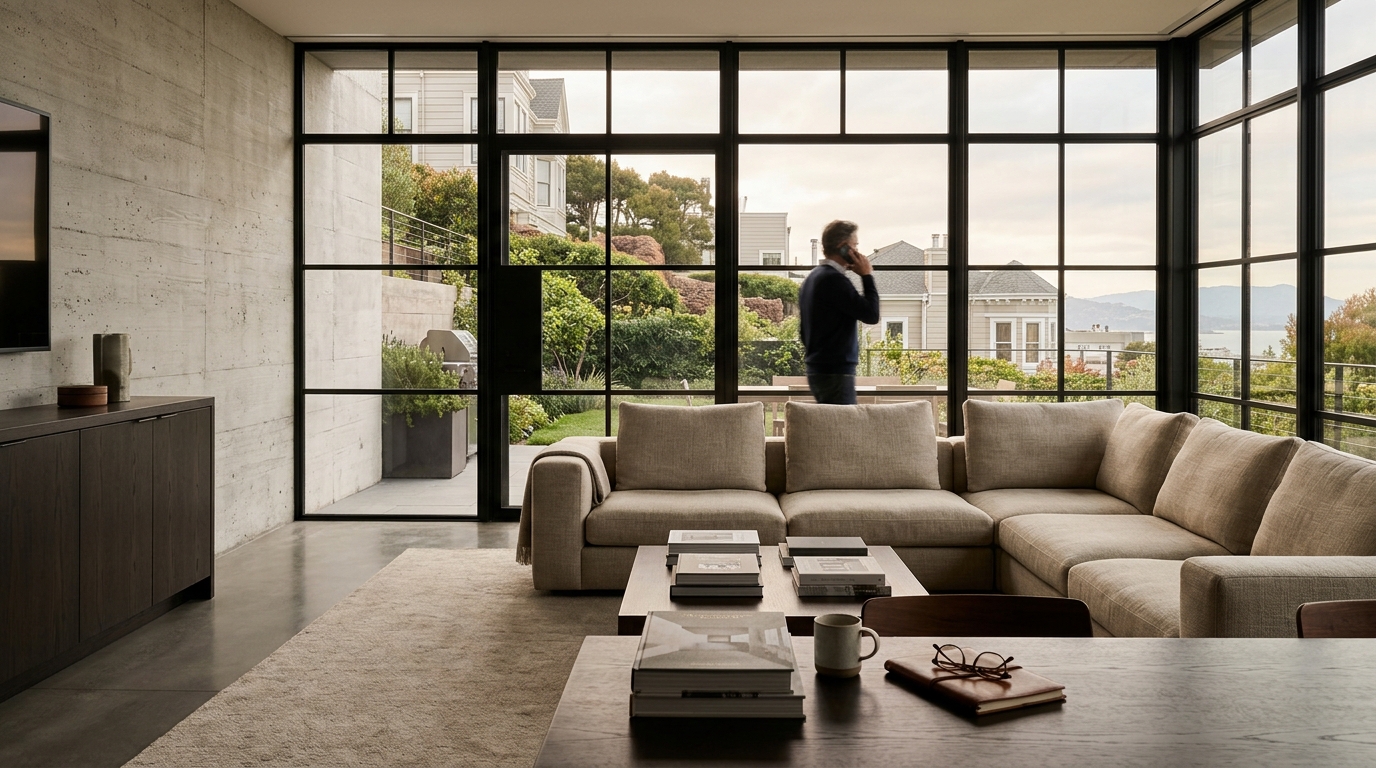
Standard real estate photography is insufficient for architectural gems. Using wide-angle shots that distort proportions or failing to capture the interplay of light and shadow is a critical error. Architectural homes rely on specific design features, such as soaring ceilings, custom millwork, or unique façade details. These elements require specialized photography that respects the original intent of the architect. For instance, a home designed by Sutro Architects requires lighting that emphasizes the clean lines and modernist influences, rather than generic brightening that flattens the depth.
Many sellers also neglect video content that tells the story of the home's flow and spatial experience. A static image cannot convey the experience of walking through a historic hallway or standing on a rooftop deck with panoramic views. Video tours that highlight the craftsmanship, such as Brazilian hardwood floors or custom staircases, are essential. They allow remote buyers to feel the presence of the home. Without this visual depth, the property risks being perceived as just another listing, losing its unique appeal.
Ignoring Historical Provenance and Documentation
One of the most valuable assets of an architecturally significant home is its history. Sellers often overlook the importance of documenting the home's provenance. This includes original blueprints, previous ownership records, and any notable architectural awards or recognitions. For example, a home in the Marina district might have a specific restoration history that adds to its value. Failing to present this narrative leaves money on the table. Buyers are willing to pay a premium for verified authenticity and a clear lineage of care.
Documentation also extends to the materials used. If a home features original Sub-Zero, Wolf, or Miele appliances, or custom-built elements from a specific era, these should be highlighted. In San Francisco, where preservation is key, knowing that a home has undergone full seismic upgrades while maintaining its architectural soul is a major selling point. This information builds trust and justifies the investment. It transforms the home from a structure into a legacy.
The Trap of Generic Digital Marketing
Using broad, generic marketing channels is a common mistake. Architectural homes require targeted outreach to a specific audience. Posting a listing on general real estate portals is necessary but insufficient. The marketing must reach collectors, design enthusiasts, and high-net-worth individuals who appreciate the niche. This involves leveraging specialized networks, private client lists, and partnerships with institutions dedicated to art and design.
Philip Farr’s approach involves contributing to cultural newsletters and partnering with Bay Area institutions to reach the right audience. This strategy ensures that the property is seen by those who value its significance. Generic marketing dilutes the exclusivity of the home. It attracts bargain hunters rather than discerning buyers who understand the value of architectural integrity. Targeted marketing preserves the home's prestige and attracts serious inquiries.

Pricing Misalignment with Niche Value
Pricing an architecturally significant home based solely on comparable sales of standard homes is a critical error. These properties do not compete directly with tract housing. They compete with other unique, high-end properties. The pricing strategy must account for the premium associated with architectural significance, location prestige, and restoration quality. For example, a custom-built home in Clarendon Heights with an elevator and rooftop deck commands a different value profile than a standard hillside home.
Data shows that homes with verified architectural significance often sell faster and at higher prices when priced correctly for their niche. However, overpricing based on emotional attachment rather than market reality can lead to stagnation. The key is to balance the unique value with current market dynamics. This requires a deep understanding of the luxury market trends in San Francisco and Marin County. It involves analyzing recent sales of similar architectural gems, not just general neighborhood averages.
Comparative Market Analysis for Unique Homes
Traditional comparative market analysis (CMA) often fails for unique properties. Standard CMAs rely on recent sales of similar homes, but there may be no true "similar" homes for an architecturally significant property. This leads to inaccurate valuations. Instead, a specialized analysis must be conducted, focusing on the unique features and their market value. This includes the cost of restoration, the rarity of the design, and the desirability of the specific architectural style.
| Feature Type | Standard Home Approach | Architectural Significance Approach | Impact on Value |
|---|---|---|---|
| Photography | Wide-angle, bright, generic | Specialized, narrative-driven, detail-focused | High |
| Marketing Channels | General portals, mass email | Targeted networks, cultural partnerships | High |
| Pricing Strategy | Based on standard comps | Based on niche value and provenance | Very High |
| Buyer Persona | General home seekers | Design collectors, tech executives | Medium |
Understanding these differences is crucial for successful sales. It requires a marketer who can articulate the unique value proposition of the home. Philip Farr’s background in engineering and tech leadership provides a unique perspective on this, allowing for a data-informed yet design-driven approach. This combination ensures that the home is positioned correctly in the market.
Key Takeaways
- Architectural significance can add a 10 to 15 percent premium to San Francisco luxury home sales.
- Standard photography fails to capture the depth and detail of architecturally significant properties.
- Buyers for these homes are often tech founders and executives seeking design integrity.
- Documenting provenance, including blueprints and restoration history, is critical for value.
- Generic digital marketing dilutes the exclusivity of unique homes.
- Pricing must account for niche value, not just standard comparable sales.
- Philip Farr ranks within the top 1% of agents in San Francisco for a reason.
Frequently Asked Questions
What defines an architecturally significant home in San Francisco?
An architecturally significant home is defined by its unique design elements, historical context, and craftsmanship that distinguish it from standard construction. It often features work by notable architects or reflects a specific architectural style.
Why is standard photography insufficient for these homes?
Standard photography often distorts proportions and fails to capture the interplay of light, shadow, and detail that are central to the home's design. Specialized photography is needed to convey the spatial experience.
How does provenance affect the sale price?
Provenance, including original blueprints and restoration history, adds verified authenticity. Buyers are willing to pay a premium for homes with a clear lineage of care and architectural integrity.
Who are the typical buyers of architecturally significant homes?
Typical buyers include tech founders, executives, and high-net-worth individuals who value design, heritage, and location prestige. They seek homes that reflect their own taste for detail.
What is the best marketing strategy for these properties?
The best strategy involves targeted outreach to design enthusiasts and high-net-worth individuals, leveraging specialized networks and cultural partnerships rather than generic mass marketing.
How is pricing determined for unique homes?
Pricing is determined by analyzing the unique features, restoration quality, and rarity of the design, rather than relying solely on standard comparable sales of tract housing.
Why is data-informed guidance important in luxury real estate?
Data-informed guidance helps balance emotional value with market reality, ensuring the home is priced correctly and marketed to the right audience to achieve optimal results.
Contact Philip Farr for Bespoke Representation
Selling an architecturally significant home in San Francisco requires more than just a listing. It requires a strategic partner who understands the nuances of design, history, and the high-net-worth buyer. Philip Farr offers a concierge-style, design-driven real estate practice that delivers white glove service and deep neighborhood insight. His background in engineering and tech leadership provides a unique advantage in negotiating and positioning these unique properties. If you are ready to redefine your real estate experience, contact Philip Farr today to discuss your property. Visit Philip Farr Properties to schedule a consultation.