
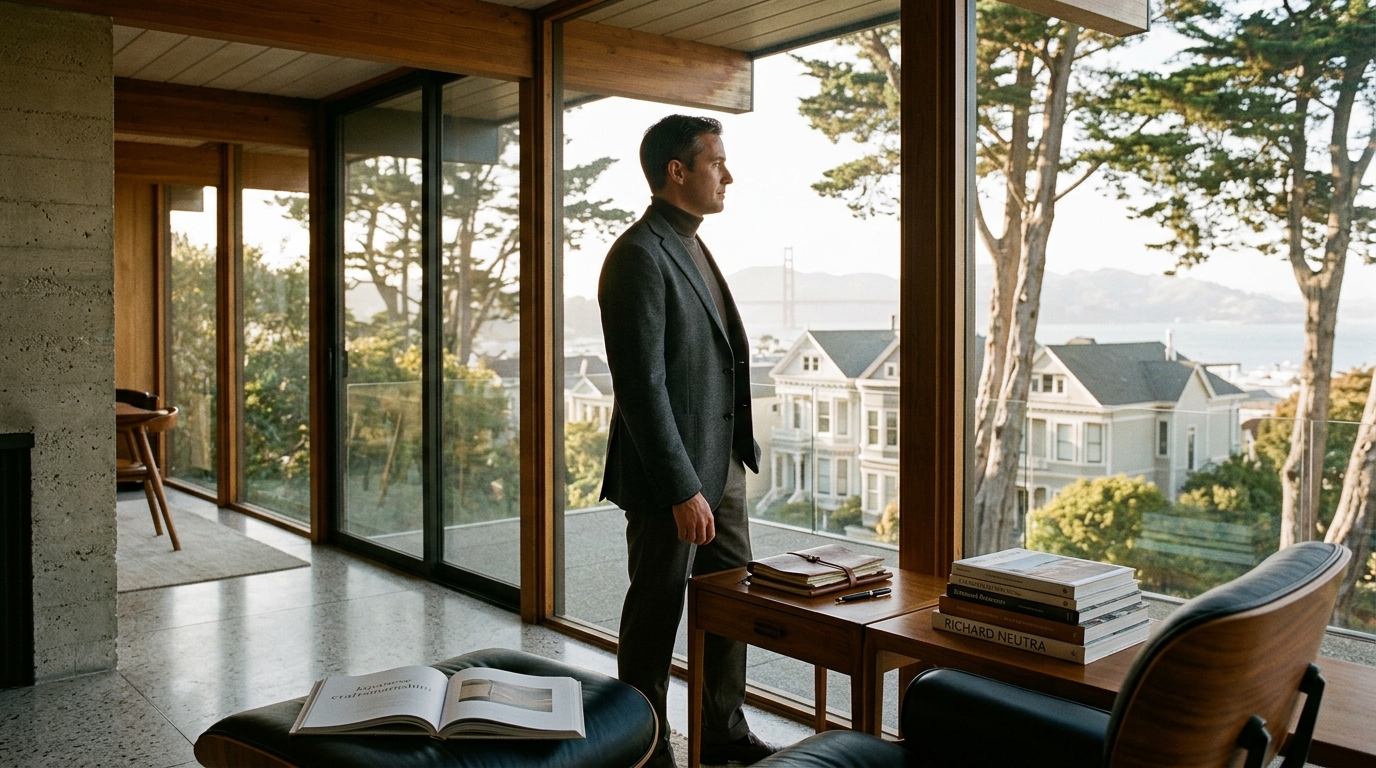
Essential Qualifications for Marketing Architecturally Significant Homes in San Francisco's Premier Neighborhoods
Marketing architecturally significant homes in San Francisco requires a departure from standard real estate tactics. The Bay Area luxury market is defined by discerning buyers who value provenance, design integrity, and historical context over mere square footage. According to recent market analyses, properties with documented architectural heritage in neighborhoods like Cow Hollow or the Marina often command a premium valuation due to their scarcity and cultural weight. This guide outlines the critical qualifications and strategic frameworks necessary to successfully position these unique assets. (About PFP)
Understanding the Architecture
The first qualification for marketing these homes is deep architectural literacy. Architectural significance is defined as the recognition of a building's design, historical context, or construction method as having exceptional value to the cultural heritage of a region. In San Francisco, this often involves identifying the work of notable architects or understanding the specific style, such as Victorian, Craftsman, or Mid-Century Modern. (Philip Farr PFP)
Philip Farr’s approach begins with a meticulous analysis of the property’s lineage. For instance, the restoration of a period home in the Marina requires understanding the original materials and design intent. This knowledge allows the marketing narrative to highlight the home’s authenticity rather than just its current condition. Buyers in this segment are often collectors of design, seeking a piece of history that they can steward. (Philip Farr PFP)
Key elements to identify include:
- Original architectural plans and blueprints.
- Historical preservation status or landmarks designation.
- Notable previous owners or cultural connections.
- Quality of original craftsmanship and materials.
By establishing this foundation, the marketing strategy shifts from selling a house to offering a legacy. This aligns with the mission of redefining the agent-client relationship through bespoke, atelier-level service.
Visual Storytelling Standards
Standard real estate photography is insufficient for architecturally significant properties. The visual narrative must be elevated to match the home’s prestige. Atelier-level service is defined as a highly personalized, detail-oriented approach that treats every client interaction and property presentation as a unique work of art. This means employing specialized photographers who understand lighting, composition, and architectural detail.
Consider the marketing of 1776 Green St Unit 302. The Sutro Architects masterpiece required visuals that captured the interplay of light and space, highlighting the south-facing orientation and the meticulous finishes. The marketing materials emphasized the building’s transformation from a historic structure into a modern luxury residence without losing its soul.
Effective visual storytelling includes:
- Aerial drone footage to contextualize the home within its neighborhood.
- Macro photography of unique architectural details, such as moldings or hardware.
- Video walkthroughs that emphasize flow and spatial relationships.
- 3D virtual tours that allow remote buyers to appreciate scale and proportion.
This level of visual detail is critical for engaging high-net-worth individuals who may be purchasing remotely. It builds trust and demonstrates the property’s value before a physical visit occurs.
Targeting the Right Buyer
Identifying the correct buyer profile is essential for successful marketing. In San Francisco, the primary demographic for architecturally significant homes includes technology founders, executives, and high-net-worth families. These buyers are not just looking for a place to live; they are seeking a residence that reflects their own achievements and taste.
Philip Farr’s network is deeply rooted in the tech community, allowing for targeted outreach to individuals who appreciate design-driven living. The marketing strategy leverages this network by highlighting the home’s alignment with the buyer’s lifestyle values. For example, a home with a private elevator and rooftop deck, like 60 Clarendon Ave, appeals to buyers who value privacy, convenience, and panoramic views.
Key targeting strategies include:
- Direct outreach to tech executives through professional networks.
- Partnerships with luxury lifestyle brands and cultural institutions.
- Content marketing that appeals to design enthusiasts and historians.
- Exclusive preview events for qualified buyers.
By focusing on the right audience, the marketing process becomes more efficient and effective. It reduces time on market and increases the likelihood of a successful sale at a premium price.
Digital Presence and SEO
In the modern real estate landscape, digital presence is a critical qualification. Architecturally significant homes must be marketed online with precision and clarity. Search Engine Optimization is defined as the practice of increasing the quantity and quality of traffic to a website through organic search engine results. For luxury real estate, this means creating content that answers specific queries about neighborhoods, architectural styles, and property history.
The marketing strategy for Philip Farr Properties includes a robust digital footprint. The website serves as a hub for detailed property information, neighborhood insights, and market data. This content is optimized for search engines to attract buyers who are actively researching the San Francisco luxury market.
Key digital tactics include:
- SEO-optimized property descriptions that highlight architectural features.
- Blog posts and insights that educate buyers on the value of historic homes.
- Social media campaigns that showcase the aesthetic appeal of the properties.
- Email newsletters that provide exclusive updates to a curated list of prospects.
This digital approach ensures that the property reaches the right audience at the right time. It also establishes the agent as a thought leader in the luxury real estate space.

Negotiation and Valuation
Marketing architecturally significant homes requires sophisticated negotiation skills. These properties often have unique value drivers that are not easily comparable to standard homes. Strategic negotiation is defined as the process of planning and executing a deal to achieve the best possible outcome for all parties involved by leveraging information and relationships.
Philip Farr’s background in tech leadership and corporate strategy provides a strong foundation for this aspect of the business. He understands how to articulate the value of a property’s unique features to potential buyers. This includes highlighting the cost savings of owning a restored historic home versus building a new one, or the prestige associated with a specific architectural style.
Key negotiation strategies include:
- Providing detailed comparative market analyses that account for architectural significance.
- Highlighting the scarcity and uniqueness of the property.
- Building rapport with buyers to understand their emotional connection to the home.
- Structuring deals that accommodate the specific needs of high-net-worth clients.
By combining marketing excellence with strategic negotiation, the agent ensures that the property is not only seen but also valued correctly. This leads to successful outcomes for both buyers and sellers.
Key Takeaways
- Architectural literacy is the foundation of marketing historic homes in San Francisco.
- Visual storytelling must be elevated to atelier-level standards to capture the property’s essence.
- Targeting tech founders and executives is a key strategy for reaching the right buyer demographic.
- Digital presence and SEO are essential for reaching a global audience of luxury buyers.
- Strategic negotiation skills are required to articulate the unique value of architecturally significant properties.
- Philip Farr’s background in tech and design provides a unique advantage in this niche market.
- Restoration projects, such as those in the Marina and Sea Ranch, demonstrate a commitment to preserving Northern California’s built environment.
Frequently Asked Questions
What defines an architecturally significant home in San Francisco?
An architecturally significant home is one that has exceptional value to the cultural heritage of the region due to its design, historical context, or construction method. This often includes properties designed by notable architects or those that represent a specific architectural style.
How does Philip Farr market historic properties?
Philip Farr markets historic properties through a combination of deep architectural analysis, elevated visual storytelling, and targeted digital outreach. This approach ensures that the unique value of the home is communicated effectively to qualified buyers.
Who are the typical buyers of architecturally significant homes?
Typical buyers include technology founders, executives, and high-net-worth families who value design, history, and prestige. These buyers are often looking for a residence that reflects their own achievements and taste.
Why is visual storytelling important for luxury real estate?
Visual storytelling is crucial because it allows buyers to appreciate the property’s aesthetic and spatial qualities before visiting. For high-net-worth individuals who may be purchasing remotely, high-quality visuals build trust and demonstrate value.
How does SEO help in marketing luxury homes?
SEO helps by ensuring that property listings and related content appear in search results for relevant queries. This attracts buyers who are actively researching the San Francisco luxury market and are interested in specific architectural styles or neighborhoods.
What is the role of negotiation in selling historic homes?
Negotiation plays a critical role in articulating the unique value of a historic home. By leveraging detailed market analysis and building rapport with buyers, the agent can secure a price that reflects the property’s true worth.
Does Philip Farr work with international buyers?
Yes, Philip Farr’s digital marketing strategy and global network allow him to connect with international buyers who are interested in San Francisco luxury real estate. This includes providing virtual tours and detailed online resources.
Contact Philip Farr
If you are looking to buy or sell an architecturally significant home in San Francisco, Philip Farr offers the expertise and network necessary to achieve exceptional results. His bespoke, atelier-level service ensures that every detail is considered and every interaction is captured. To discuss your real estate goals, please visit the Contact page or explore the current properties available in the Bay Area.