

Pricing and Marketing Mistakes When Selling Luxury Homes in San Francisco's Premier Neighborhoods
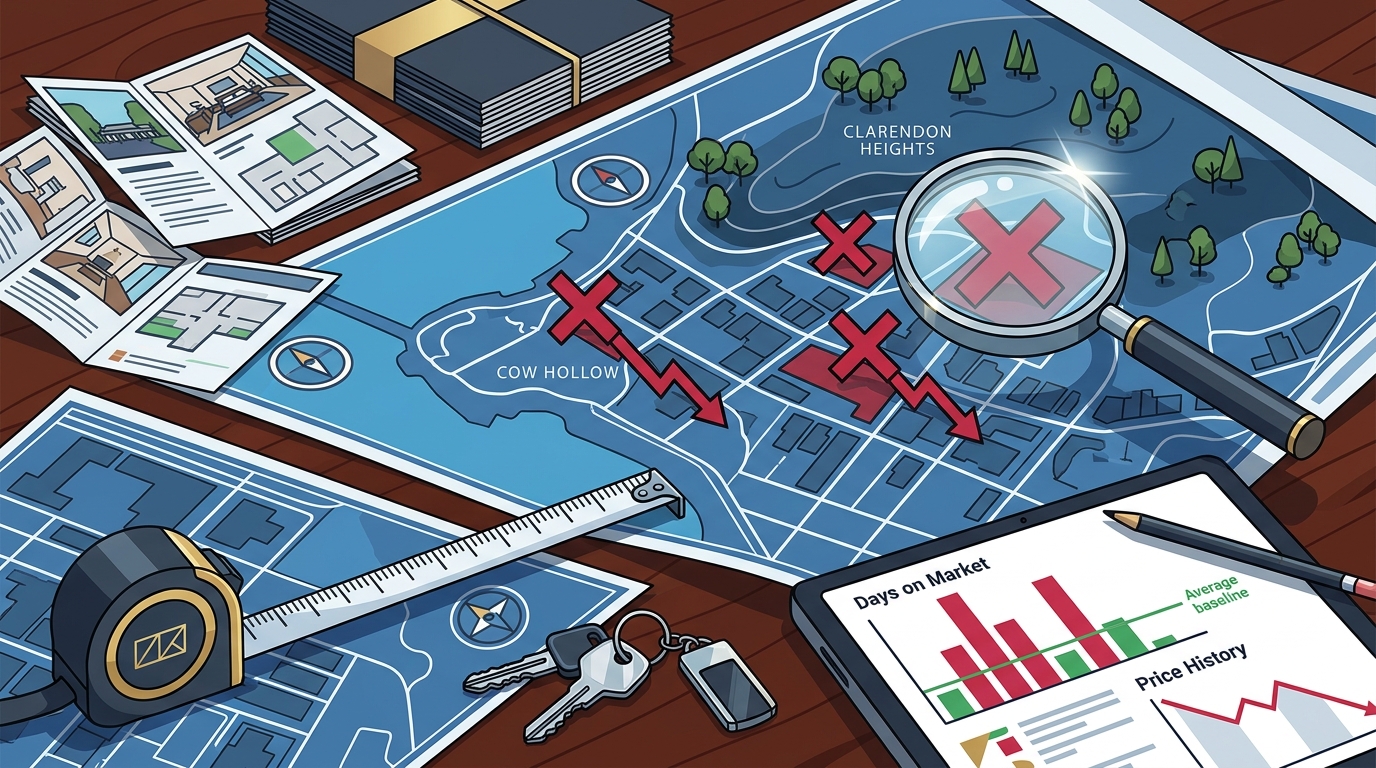
Selling a luxury property in San Francisco is not a standard transaction. It is a high-stakes negotiation involving technology founders, executives, and high-net-worth families who demand precision. The Bay Area market operates on unique dynamics where data-informed guidance is the primary driver of success. According to recent market analyses, luxury homes in prime neighborhoods like Cow Hollow and Clarendon Heights often experience extended days on market when pricing strategies fail to align with buyer expectations. This guide outlines the critical errors agents and sellers make and how to avoid them.
The Pricing Trap: Avoiding Overvaluation
The most devastating error in luxury real estate is mispricing. In San Francisco, where inventory is tight and buyer pools are selective, an inflated price tag signals inexperience. Many sellers rely on emotional attachment or outdated comparables, leading to a stale listing that loses momentum.
The Danger of "Testing the Market" with High Prices
Some sellers attempt to test the market by listing significantly above value. This strategy rarely works in the luxury sector. High-net-worth buyers are sophisticated. They conduct their own due diligence. If the price does not match the data, they move on. A stale listing becomes a "stigma property," forcing a eventual price reduction that looks like desperation.
Data-Informed Pricing vs. Emotional Pricing
Philip Farr utilizes a data-informed approach to pricing. This method analyzes recent sales of architecturally significant homes, not just square footage. For example, a home in Cow Hollow with a view premium commands a different valuation than one without. The pricing must reflect the unique architectural pedigree, such as a Sutro Architects masterpiece or a custom-built estate in Clarendon Heights.
According to industry reports on luxury real estate performance, homes priced correctly from day one sell faster and closer to asking price. This is particularly true in Marin County, where buyer expectations for privacy and land size are paramount.
Marketing Failures in Digital-First Luxury
Luxury marketing is not about casting a wide net. It is about precision targeting. The mistake many agents make is using generic marketing materials that fail to capture the essence of the home. High-end buyers expect a bespoke experience.
Generic Photography and Lack of Storytelling
Standard real estate photography is insufficient for luxury listings. Buyers need to see the craftsmanship. The marble, the custom millwork, the integration of indoor and outdoor spaces. A failure to highlight these details results in a lack of emotional connection. The marketing must tell a story. It must explain why this home is unique.
Neglecting the Tech-Savvy Buyer
San Francisco's luxury buyer is often a technology executive. They expect a digital-first experience. This includes virtual tours, high-resolution digital brochures, and targeted digital advertising. Agents who rely solely on traditional print media miss a significant portion of the market. The marketing must be seamless, intuitive, and visually stunning.
Data shows that listings with professional video content and virtual staging receive significantly more engagement from high-net-worth individuals. This is a critical component of modern luxury marketing.
Neighborhood-Specific Positioning Errors
San Francisco is a city of distinct neighborhoods. Each has its own character, history, and buyer demographic. Treating all neighborhoods as the same is a major strategic error.
Ignoring Architectural History
In areas like the Marina or Pacific Heights, architectural history is a key value driver. A home designed by a renowned architect commands a premium. Failing to highlight this provenance is a missed opportunity. The marketing must emphasize the designer, the era, and the restoration quality.
Underestimating Lifestyle Amenities
Buyers in neighborhoods like Noe Valley or Russian Hill are buying a lifestyle. Proximity to top schools, parks, and cultural institutions is critical. Marketing that ignores these lifestyle benefits fails to connect with the buyer's personal priorities.
According to demographic studies of Bay Area luxury buyers, location and community amenities are often the deciding factors after price and condition. The marketing must reflect this hierarchy of needs.
Strategic Comparison: Common vs. Elite Approaches
Understanding the difference between a standard approach and an elite, data-driven strategy is crucial for sellers. The table below highlights the key distinctions.
| Aspect | Common Mistake | Elite Strategy (Philip Farr Approach) |
|---|---|---|
| Pricing | Emotional pricing based on seller expectations. | Data-informed pricing using deep local comps. |
| Marketing | Generic photos and broad social media ads. | Bespoke storytelling and targeted digital campaigns. |
| Buyer Pool | Open to all, no specific targeting. | Targeted outreach to tech founders and executives. |
| Negotiation | Reactive to offers, weak positioning. | Proactive strategy leveraging market data. |
| Neighborhood Focus | Generic neighborhood descriptions. | Deep dive into architectural and lifestyle nuances. |
Key Takeaways
- Pricing Precision: Overpricing leads to stagnation. Use data, not emotion, to set the price.
- Targeted Marketing: Luxury buyers are tech-savvy. Use digital tools to reach them effectively.
- Architectural Storytelling: Highlight the designer and history of the home to justify value.
- Neighborhood Expertise: Understand the unique nuances of each San Francisco neighborhood.
- High-Net-Worth Focus: Tailor your approach to the specific needs of tech founders and executives.
- Visual Excellence: Invest in high-quality photography and video to showcase craftsmanship.
- Strategic Negotiation: Use market data to strengthen your position during negotiations.
Frequently Asked Questions
Why is data-informed pricing critical for luxury homes?
Data-informed pricing ensures that the home is positioned correctly relative to recent sales of comparable properties. This prevents the home from becoming stale and attracts serious buyers who rely on market data.
What makes marketing luxury homes in San Francisco different?
Luxury marketing requires bespoke storytelling and high-quality visuals. It also involves targeting a specific demographic of high-net-worth individuals, often through digital channels.
How does neighborhood knowledge impact the sale?
Deep neighborhood knowledge allows for accurate positioning. It helps highlight the specific lifestyle benefits and architectural history that appeal to the target buyer pool.
Who are the typical buyers of luxury homes in San Francisco?
Typical buyers include technology founders, executives, and high-net-worth families. They are often sophisticated, data-driven, and value privacy and exclusivity.
What is the role of architectural history in pricing?
Architectural history can significantly increase the value of a home. Homes designed by renowned architects or with significant historical provenance command higher prices.
How can sellers avoid the "stigma property" effect?
Sellers can avoid this by pricing the home correctly from the start. A stale listing that requires multiple price reductions can become stigmatized, reducing its appeal.
Why is digital marketing important for luxury real estate?
Many luxury buyers are tech-savvy and conduct their initial search online. Effective digital marketing ensures the home reaches this critical audience.
Contact Philip Farr for Expert Guidance
Selling a luxury home in San Francisco requires more than just listing it. It requires a strategic, data-driven approach tailored to the unique dynamics of the Bay Area market. Philip Farr, as the top-producing buyer's agent at Vanguard Properties, offers the expertise and network necessary to achieve exceptional results. His background in engineering and tech leadership provides a unique advantage in negotiating with high-net-worth clients. To discuss your property or learn more about the current market, visit the Contact page or explore the Insights section for more market analysis.