
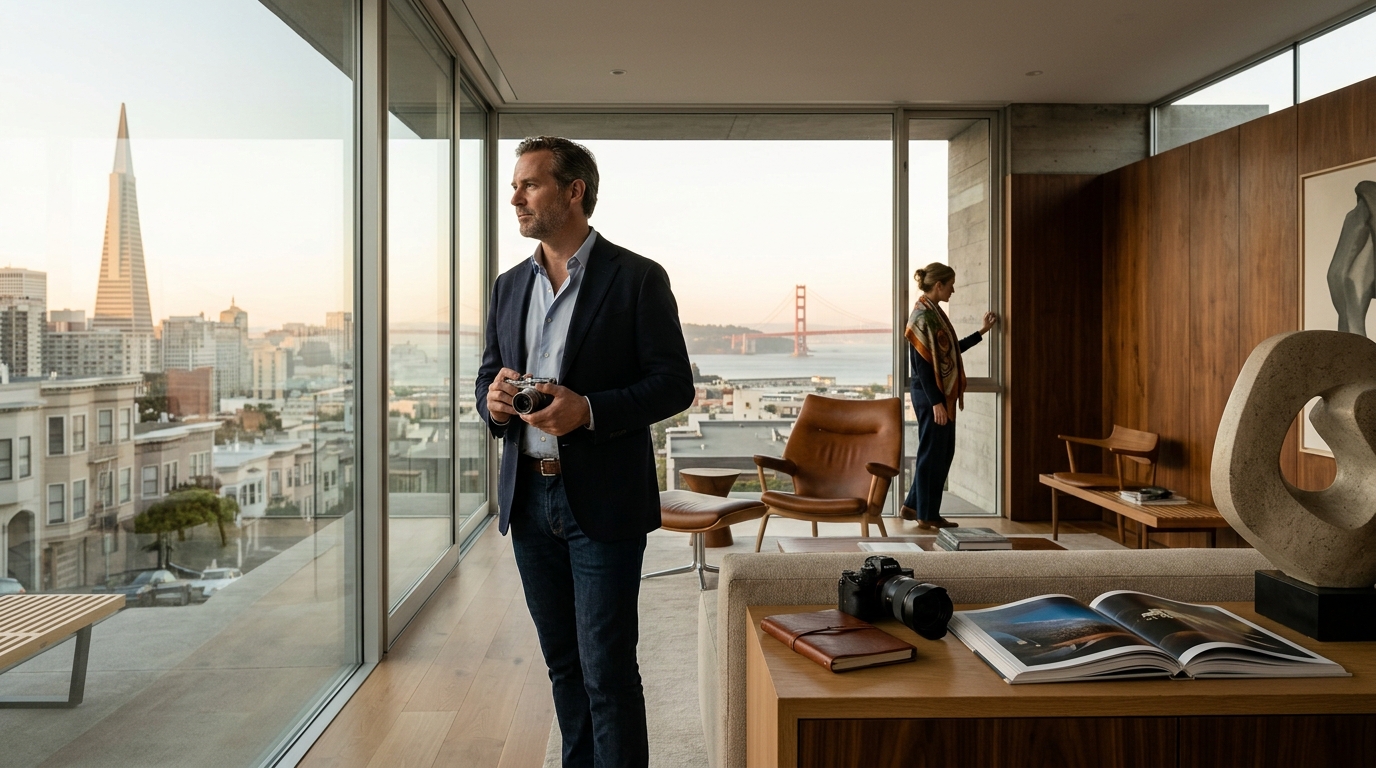
Pricing Strategies for Architecturally Significant Homes in San Francisco's Premier Neighborhoods
Pricing an architecturally significant home in San Francisco is not merely an exercise in arithmetic; it is a nuanced art form that blends historical preservation value with modern luxury demands. According to recent market analyses, properties with distinct architectural provenance in neighborhoods like Pacific Heights and the Marina often command a premium of 15 to 25 percent over comparable non-designated homes. This premium reflects the scarcity of such assets and the specialized buyer demographic that seeks them. For high-net-worth families and technology executives, the value lies not just in square footage, but in the narrative, craftsmanship, and cultural heritage embedded in the structure. Understanding these dynamics is critical for sellers aiming to maximize returns and for buyers seeking to avoid overpaying for aesthetic appeal without structural integrity. (About PFP)
The Role of Architectural Provenance in Valuation
Architectural provenance refers to the documented history and design pedigree of a property. In San Francisco, this often means homes designed by renowned architects or those that exemplify specific historical styles, such as Victorian, Edwardian, or Mid-Century Modern. Architectural provenance is the documented history and design pedigree of a property. When a home has a known architect, such as the Sutro Architects who transformed the historic 1776 Green Residences, the value proposition shifts significantly. Buyers are not just purchasing space; they are acquiring a piece of design history.
For sellers, highlighting this provenance is essential. It transforms the listing from a commodity into a unique asset. Marketing materials should explicitly name the architect, the era of construction, and any notable design features. This approach appeals to collectors and connoisseurs who value authenticity. It also provides a defensible basis for higher asking prices, as the scarcity of such homes is objectively limited.
Conversely, buyers must verify the authenticity of these claims. A home marketed as "architecturally significant" should have verifiable documentation. This includes original blueprints, historical society designations, or awards from architectural bodies. Without this verification, the premium may be unjustified. Due diligence here prevents overpayment for perceived rather than actual value.
Neighborhood Dynamics: Cow Hollow, Pacific Heights, and Beyond
San Francisco's real estate market is hyper-local. The value drivers in Cow Hollow differ markedly from those in Pacific Heights or Sea Ranch. In Cow Hollow, for instance, the demand is driven by proximity to the Marina and the desire for historic townhomes with modern amenities. The 1776 Green Residences, a project by Sutro Architects, exemplifies this trend. It offers new construction within a historic framework, appealing to buyers who want modern luxury without sacrificing architectural character. Neighborhood dynamics are the specific economic and cultural factors that influence property values in distinct geographic areas.
Pacific Heights, with its grand estates and panoramic views, attracts a different demographic. Here, privacy and scale are paramount. Homes like the custom-built residence at 60 Clarendon Avenue, which features a private elevator and rooftop deck, command prices based on their exclusivity and view corridors. The value here is tied to the rarity of large, single-family homes in a dense urban environment.
Sea Ranch, located further north, presents a unique case. Its architectural legacy is defined by mid-century modernism and a strict design code that preserves the natural landscape. Properties here are valued for their integration with nature and their adherence to architectural purity. The pricing strategy for Sea Ranch homes must account for the limited inventory and the specific aesthetic preferences of its buyer base, who often prioritize design integrity over urban convenience.
Balancing Restoration Costs Against Market Value
One of the most critical aspects of pricing architecturally significant homes is accounting for restoration costs. These homes often require specialized labor and materials to maintain their historical integrity. For example, restoring original hardwood floors, stained glass windows, or masonry work can be exponentially more expensive than standard renovations. Restoration costs are the financial expenses incurred to repair or renovate a historic property to its original or approved condition.
Sellers must conduct a thorough pre-listing inspection to identify potential restoration needs. This allows for accurate pricing that reflects the home's current condition and the cost of necessary repairs. Overestimating the value without accounting for these costs can lead to prolonged market time and eventual price reductions. Underestimating them, however, can leave money on the table if the home is marketed as "turn-key" when it is not.
Buyers, on the other hand, should view restoration costs as an investment in value. A well-executed restoration can significantly increase the market value of a home, often by more than the cost of the work itself. However, this depends on the quality of the work and the sensitivity to the home's original design. Poor renovations can detract from the architectural value, making the home less appealing to discerning buyers.
Targeting the Right Buyer Profile
Understanding the buyer profile is essential for effective pricing. In San Francisco, the primary buyers for architecturally significant homes are often technology founders, executives, and high-net-worth families. These individuals value privacy, security, and design excellence. They are also likely to be informed about architectural history and appreciate the nuances of well-preserved homes.
Marketing to this demographic requires a sophisticated approach. Standard real estate marketing tactics may fall short. Instead, the focus should be on the home's story, its architectural details, and its lifestyle benefits. High-quality photography, virtual tours, and detailed architectural reports are essential tools. They allow remote buyers to appreciate the home's features and understand its value proposition.
Additionally, networking within the tech and executive communities can be highly effective. Many of these buyers rely on trusted advisors and referrals. Building relationships with these networks can lead to off-market opportunities and faster sales. Philip Farr, for instance, has built a reputation for serving this exact demographic, leveraging his background in tech and architecture to connect with the right buyers.

Core Pricing Strategies for Luxury Listings
Developing a pricing strategy for an architecturally significant home requires a blend of data analysis and strategic positioning. Here are three core strategies that have proven effective in the San Francisco market.
1. Comparative Market Analysis (CMA) with Architectural Adjustments
A standard CMA compares the subject property to recent sales of similar homes. However, for architecturally significant homes, adjustments must be made for design quality, historical significance, and architectural integrity. This might involve adding a premium for homes with proven architectural pedigree or subtracting for homes with significant restoration needs. The goal is to isolate the value attributable to the architectural significance.
2. Value-Based Pricing
Value-based pricing focuses on the perceived value to the buyer rather than just the cost of comparable homes. This strategy is particularly effective for unique properties that have no direct comparables. By highlighting the home's unique features, such as a rooftop deck with panoramic views or a historic facade, the seller can justify a higher price. This approach requires strong storytelling and marketing to convey the home's unique value.
3. Strategic Price Positioning
Strategic price positioning involves setting an initial price that generates interest and potentially multiple offers. This might mean pricing slightly below market value to create a sense of urgency and competition. Alternatively, it might mean pricing at the high end of the market to signal exclusivity and quality. The choice depends on the specific property, market conditions, and the seller's goals. In a hot market, strategic underpricing can lead to bidding wars. In a balanced market, accurate pricing is crucial to avoid stagnation.
Comparison of Pricing Approaches
| Strategy | Best For | Key Advantage | Risk |
|---|---|---|---|
| CMA with Adjustments | Properties with clear comparables | Data-driven accuracy | May undervalue unique features |
| Value-Based Pricing | Unique, non-comparable homes | Maximizes premium for uniqueness | Requires strong marketing |
| Strategic Positioning | Hot markets or unique assets | Can generate multiple offers | May leave money on the table |
Key Takeaways
- Architectural Provenance Matters: Homes with documented design history command significant premiums, often 15-25% higher than comparable non-designated homes.
- Neighborhood Specificity: Value drivers vary by area; Cow Hollow favors historic townhomes, while Pacific Heights values scale and views.
- Restoration Costs are Critical: Accurate pricing must account for specialized restoration needs to avoid overpricing or underpricing.
- Targeted Buyer Profiles: Technology founders and high-net-worth families are the primary demographic, requiring sophisticated marketing.
- Strategic Pricing: Combining CMA adjustments with value-based pricing ensures both accuracy and maximum premium for unique features.
- Expert Guidance: Working with an agent who understands both architecture and luxury markets, like Philip Farr, can significantly impact sale price and speed.
- Marketing Quality: High-quality visuals and detailed architectural reports are essential for conveying the home's value to remote buyers.
Frequently Asked Questions
How does architectural significance affect home value in San Francisco?
Architectural significance can increase home value by 15 to 25 percent or more, depending on the rarity of the design and the neighborhood. Buyers pay a premium for the historical narrative and craftsmanship associated with notable architects or styles.
What is the best pricing strategy for a historic home in Pacific Heights?
Value-based pricing is often most effective for historic homes in Pacific Heights, as these properties are unique and lack direct comparables. Highlighting the home's specific architectural features and views can justify a higher price point.
How do I account for restoration costs when pricing a home?
Conduct a pre-listing inspection to identify necessary restorations. Deduct the estimated cost of these repairs from the market value, or adjust the price based on the home's current condition relative to similar restored homes.
Who are the typical buyers for architecturally significant homes in San Francisco?
The typical buyers are technology founders, executives, and high-net-worth families who value design, privacy, and historical integrity. They often seek homes that reflect their own appreciation for art and architecture.
Why is it important to work with a specialized real estate agent?
A specialized agent understands the nuances of architectural value, has access to a network of qualified buyers, and can craft a marketing strategy that highlights the home's unique features, leading to a higher sale price.
What role does the neighborhood play in pricing architecturally significant homes?
The neighborhood dictates the baseline value and the specific value drivers. For example, Sea Ranch homes are valued for their mid-century modern design and natural integration, while Cow Hollow homes are valued for their historic charm and urban proximity.
Can a home with poor restoration history still command a high price?
It is challenging. Poor restorations can detract from architectural value and alienate discerning buyers. However, if the underlying structure and location are strong, a skilled agent can market the home as a "project" for a specific buyer willing to undertake the restoration.
Start Your Journey to a Refined Real Estate Experience
Pricing an architecturally significant home in San Francisco requires more than just market data; it demands a deep understanding of design, history, and the unique motivations of luxury buyers. Whether you are looking to sell your historic estate or acquire a piece of architectural history, partnering with an expert who values precision and integrity is essential. Philip Farr offers a bespoke, atelier-level service tailored to the needs of San Francisco's most discerning clients. Contact Philip Farr today to discuss your real estate goals and discover how his strategic approach can deliver exceptional results.