
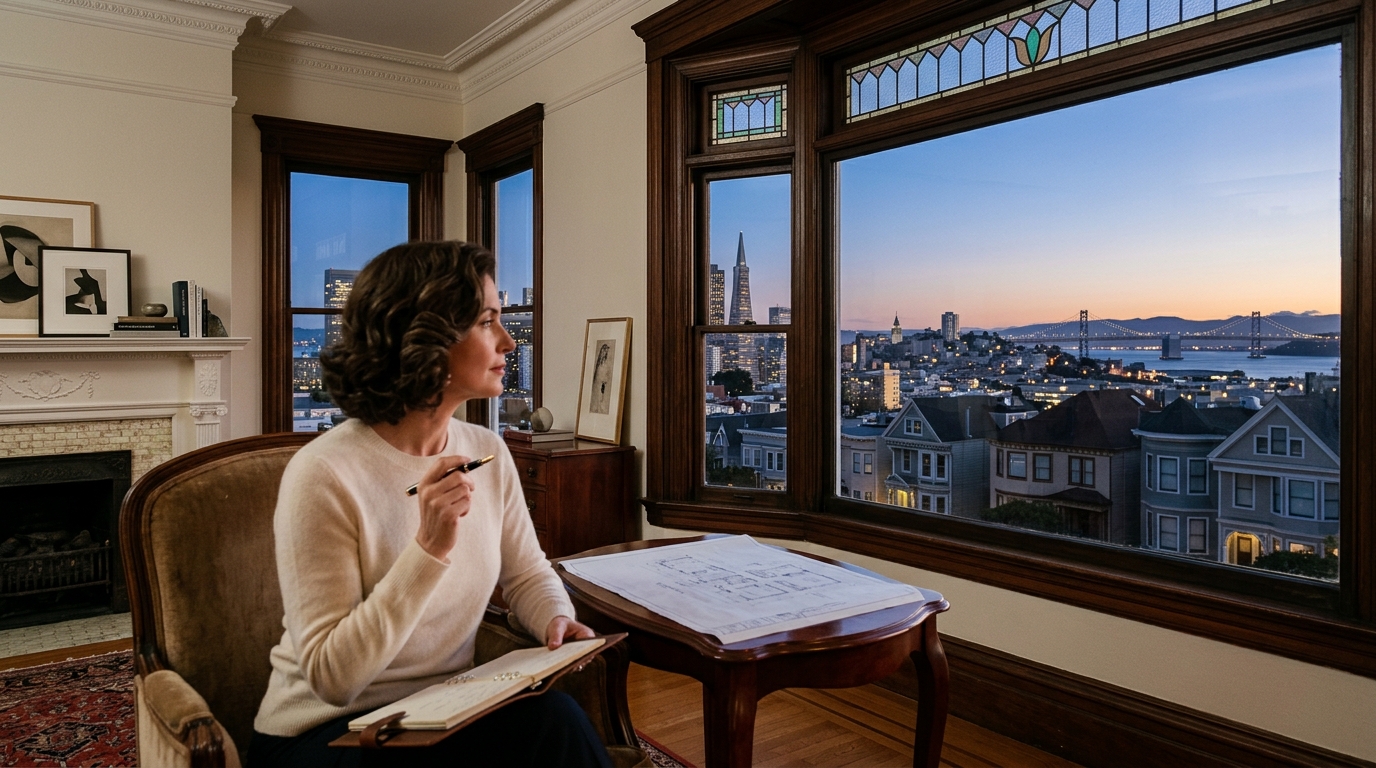
Top Architecturally Significant Properties in the San Francisco Bay Area
The San Francisco Bay Area is home to one of the most diverse and captivating collections of residential architecture in the United States. From ornate Victorian mansions in Pacific Heights to sleek modernist homes in Sea Cliff, architecturally significant properties here tell the story of a region shaped by the Gold Rush, the 1906 earthquake, and over a century of innovative design. Whether you are a buyer drawn to historic charm or contemporary minimalism, understanding what makes a property architecturally significant is the first step toward finding a home that holds both cultural value and lasting investment appeal. This guide breaks down the top architectural styles, key neighborhoods, and what to look for when shopping for a landmark home.
What Makes a Property Architecturally Significant?
An architecturally significant property is a home designed by a renowned architect or built in a landmark style that carries historic, aesthetic, or cultural importance. In San Francisco, the Planning Department categorizes buildings within Conservation Districts as Category I through V based on their architectural merit. There are over 300 designated Article 10 Landmarks and more than 1,110 lots within Article 10 Historic Districts citywide.
Significance can stem from the architect, the construction era, rare building techniques, or a property's role in neighborhood history. For buyers, this designation often translates to both prestige and specific regulatory considerations worth understanding before making an offer.
Victorian Homes: The Iconic Painted Ladies and Beyond
Victorian architecture is a broad category encompassing homes built between roughly 1849 and 1901 in San Francisco. These properties feature steep gabled roofs, intricate woodwork, bay windows, and decorative trim. Popular subtypes include Italianate, Stick-Eastlake, and the beloved Queen Anne style.
The Painted Ladies of Alamo Square
The most famous row of Queen Anne-style homes in San Francisco was built between 1892 and 1896 by developer Matthew Kavanaugh. Often called "Postcard Row," these seven houses epitomize the bright, multi-colored palettes that earned Victorian homes their collective nickname. An estimated 48,000 houses were built during the Victorian and Edwardian periods, though many were lost to the 1906 fire.

Key Victorian Subtypes
Italianate Victorians are characterized by rounded windows, flat roofs, and ornate cornices. Queen Anne Victorians are known for asymmetry, turrets, and elaborate detailing. These homes are particularly abundant in neighborhoods like Pacific Heights, Alamo Square, and Haight-Ashbury.
Edwardian Architecture: The Overlooked Majority
Edwardian architecture is a category of homes built between 1901 and approximately 1914, named for the reign of King Edward VII. Despite being less famous than Victorians, there are actually more Edwardian-style homes in San Francisco than Victorian ones. This is because many Victorians were destroyed in the 1906 earthquake and fire, and the subsequent rebuilding coincided with the Edwardian period.
How to Spot an Edwardian
Edwardian homes feature simpler facades, lighter colors, and less ornamental detail than their Victorian predecessors. Flat fronts, box shapes, and understated ornamentation are hallmarks. The shift toward gas and electric lighting meant designers were less concerned about disguising soot, resulting in brighter, airier interiors with floral patterns and pastel tones.
If you are considering an Edwardian home, review our guide on questions to ask before buying a historic property in SF to navigate preservation rules and renovation constraints.
Modern and Contemporary Masterpieces
San Francisco's architectural story extends far beyond the Victorian era. The American Institute of Architects San Francisco chapter lists 25 architecturally significant structures spanning the late 20th and early 21st centuries, from Morphosis's 2007 Federal Building to the Snohetta-expanded SFMOMA.
Notable Residential Examples
The MIRA tower, designed by Jeanne Gang of Studio Gang Architects, is a 40-story residential building completed in 2020 with LEED Gold Certification. Bay Area vernacular modernism is also represented by homes like the Eric Mendelsohn-designed residence from 1952, which features a round bay window cantilevered from its northwest corner. For buyers seeking contemporary design, these properties often pair sustainable technology with striking form.
Large-scale developments like Power Station and Pier 70 are adding thousands of new residences with designs by Foster + Partners and Herzog & de Meuron, further expanding the region's architectural inventory.
Top Neighborhoods for Architecturally Significant Homes
Location shapes both architectural character and long-term value. View-oriented architecture drives lifestyle appeal and resale strength, and homes along Broadway in Pacific Heights are intentionally designed to frame Alcatraz, the Marin Headlands, or the downtown skyline.
- Pacific Heights: Grand Victorians, Edwardians, and contemporary estates with panoramic bay views.
- Alamo Square: The Painted Ladies and surrounding Queen Anne and Stick-style homes.
- Sea Cliff: Shingle Style and modernist residences overlooking the Pacific Ocean.
- Noe Valley & Bernal Heights: Rooftop decks with skyline sightlines and a mix of Edwardian cottages and modern renovations.
- The Marina: Thousands of Spanish Eclectic and Mediterranean Revival homes built after the 1906 earthquake.
To understand how these neighborhoods affect pricing, explore our breakdown of key features for comparing high-end properties in the Bay Area.
Architectural Style Comparison
| Style | Era | Key Features | Top Neighborhoods |
|---|---|---|---|
| Victorian (Italianate) | 1850-1890 | Rounded windows, flat roofs, ornate cornices | Pacific Heights, Haight-Ashbury |
| Victorian (Queen Anne) | 1880-1901 | Asymmetry, turrets, elaborate detailing | Alamo Square, Nob Hill |
| Edwardian | 1901-1914 | Flat facades, lighter colors, simpler ornamentation | Mission, SoMa, Downtown |
| Spanish Eclectic / Mediterranean Revival | 1920-1940 | Red tile roofs, stucco walls, arched entries | Marina District, Sunset |
| Mid-Century Modern | 1945-1970 | Open floor plans, large windows, organic integration | Sea Cliff, Twin Peaks |
| Contemporary | 2000-present | Glass-and-steel, sustainable systems, minimalist lines | South Beach, Rincon Hill |
Key Takeaways
- An architecturally significant property carries historic, aesthetic, or cultural value tied to its design pedigree or construction era.
- San Francisco has over 300 Article 10 Landmarks and 1,110+ lots within designated historic districts.
- There are actually more Edwardian homes in San Francisco than the famous Victorians, due to post-1906 rebuilding.
- Pacific Heights, Alamo Square, and Sea Cliff rank among the top neighborhoods for architecturally notable homes.
- Modern developments like MIRA tower and the Power Station project are expanding the Bay Area's architectural legacy.
- View-oriented design, indoor-outdoor flow, and architectural pedigree are the features that drive both lifestyle value and long-term appreciation.
- Working with an agent who specializes in architecturally significant homes ensures you navigate preservation rules and negotiate effectively.
Frequently Asked Questions
What qualifies a property as architecturally significant in San Francisco?
A property is considered architecturally significant if it was designed by a notable architect, represents a landmark building style, or is formally designated under San Francisco's Article 10 or Article 11 preservation codes. The city's Planning Department evaluates buildings based on architectural merit, historical context, and cultural importance.
Are there more Victorian or Edwardian homes in San Francisco?
There are actually more Edwardian homes than Victorians. Many Victorian homes were destroyed in the 1906 earthquake and fire, and the rebuilding era coincided with the Edwardian period (1901 to 1914), resulting in a larger stock of Edwardian residences throughout the city.
Which neighborhoods have the most architecturally significant properties?
Pacific Heights, Alamo Square, Haight-Ashbury, Nob Hill, and Sea Cliff are the neighborhoods with the highest concentration of architecturally significant homes. The Marina District and Sunset also feature large numbers of Spanish Eclectic and Mediterranean Revival properties.
Can I renovate a historically designated home in San Francisco?
Yes, but renovations to Article 10 Landmark properties require review by the Planning Department. Interior changes to residential homes are generally not restricted, but exterior alterations must align with preservation standards. Always consult a specialist before planning modifications.
How does architectural significance affect property value?
Architecturally significant homes typically command a premium due to their rarity, design pedigree, and historic character. However, maintenance costs can be higher, and certain renovation restrictions may apply. An experienced luxury agent can help you weigh these factors. Learn more about affording an architecturally significant property.
What is the Painted Ladies row in San Francisco?
The Painted Ladies is a row of Queen Anne-style Victorian homes on Steiner Street facing Alamo Square, built between 1892 and 1896. They are among the most photographed residential buildings in the United States and symbolize San Francisco's Victorian heritage.
Should I use a specialized agent when buying an architecturally significant home?
Absolutely. An agent with expertise in historic and high-end properties can identify structural concerns, navigate preservation regulations, and negotiate effectively in a competitive market. Philip Farr Properties specializes in exactly this type of transaction. Read what to look for in the best San Francisco real estate agent.
Find Your Architecturally Significant Home
Whether you are drawn to a grand Pacific Heights Victorian, a light-filled Edwardian in the Mission, or a contemporary masterpiece in South Beach, the right home starts with the right advisor. Philip Farr brings multi-generational Bay Area knowledge and a passion for architecturally significant properties to every transaction. Schedule a consultation with Philip Farr to begin your search for a home that is as remarkable as the city itself.