
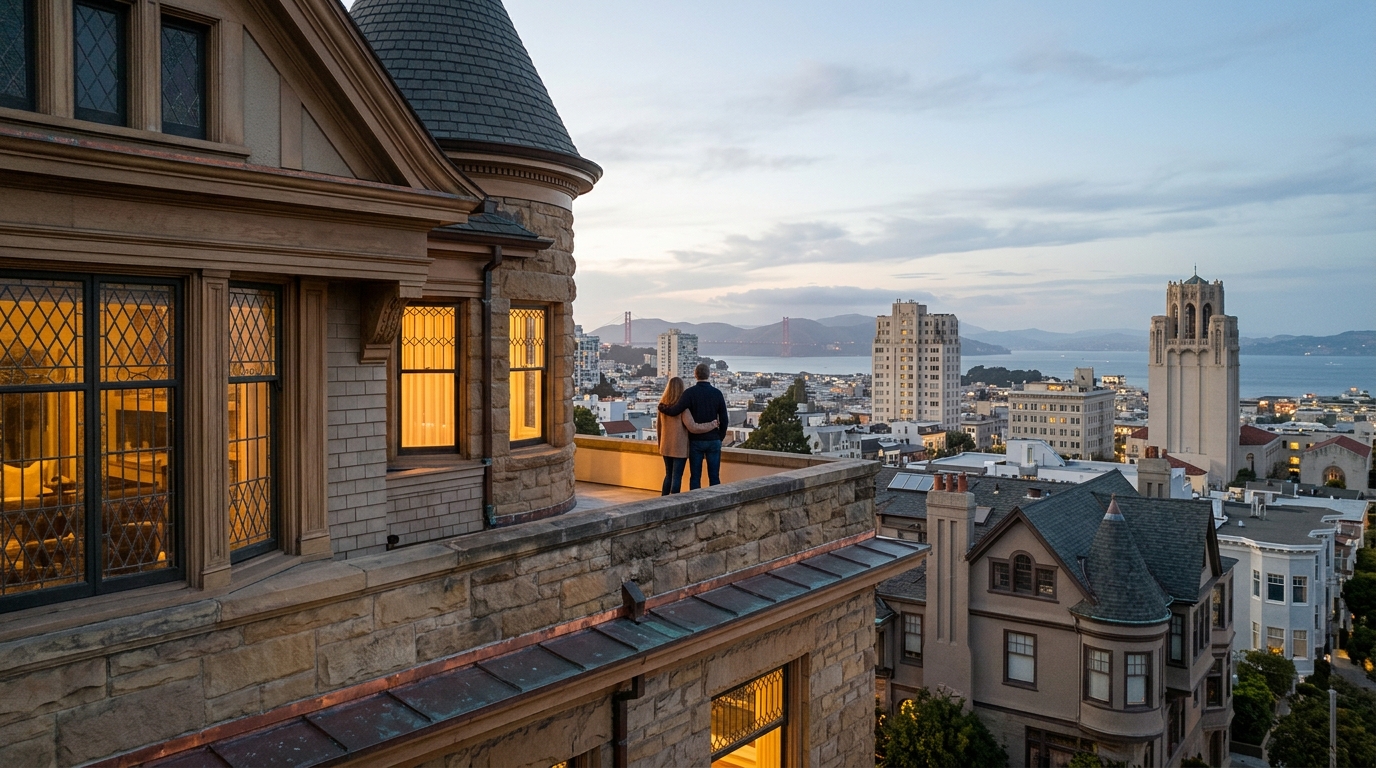
Architecturally Significant Properties in the San Francisco Bay Area: The Ultimate Guide
The San Francisco Bay Area is home to one of the most diverse and captivating collections of residential architecture in the United States. From ornate Victorian "Painted Ladies" to sleek mid-century modern masterpieces, the region's architecturally significant properties tell the story of over 150 years of design evolution. Whether you are drawn to the intricate woodwork of a Queen Anne in Pacific Heights or a bold contemporary home in Noe Valley, finding the right property requires deep market knowledge, access to off-market inventory, and a genuine passion for design. This guide breaks down the key architectural styles, top neighborhoods, and strategies for securing your own piece of Bay Area history.
What Makes a Property Architecturally Significant?
An architecturally significant property is a home whose design, construction, or historical context sets it apart from typical residential buildings. These properties may be designed by a noted architect, represent a defining example of a particular style, or hold landmark status. In San Francisco, where the city's terrain, landmark neighborhoods, and historic building stock create a unique landscape, architectural significance carries both cultural and financial weight.
Buyers who pursue these homes are typically motivated by more than square footage. They seek character, craftsmanship, and a connection to the region's rich design heritage. Working with an agent who shares that passion, like Philip Farr, makes a measurable difference in identifying and securing the right property.
Iconic Architectural Styles in the Bay Area
Victorian (1850-1900)
Victorian homes are architectural jewels of San Francisco. Built during Queen Victoria's reign, these homes feature steep gabled roofs, intricate woodwork, bay windows, and decorative trim. Popular subtypes include Italianate, Stick-Eastlake, and Queen Anne. Neighborhoods like Pacific Heights, Alamo Square, and Haight-Ashbury are particularly rich with Victorian examples. An estimated 48,000 houses were built in San Francisco during the Victorian and Edwardian periods, though many were lost to the devastating 1906 earthquake and fire.
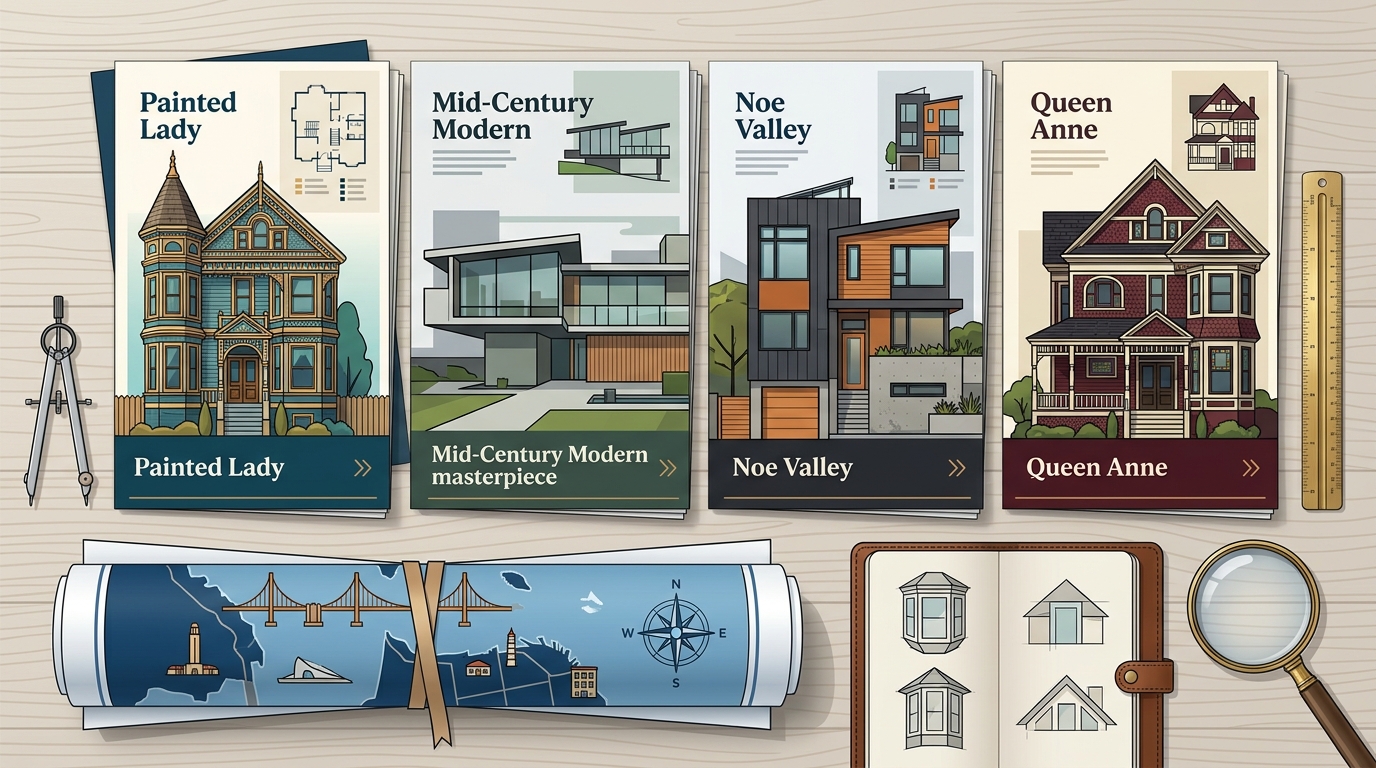
Edwardian (1901-1918)
Edwardian architecture is a style category spanning 1901 to approximately 1918, characterized by simpler facades, lighter colors, and less ornate detailing than its Victorian predecessor. Interestingly, there are actually more Edwardian-style homes in San Francisco than Victorians, largely because rebuilding after 1906 coincided with this design period. Look for Edwardian homes in the Mission District, Nob Hill, and throughout rebuilt sections of the city.
Mid-Century Modern and Contemporary
Mid-century modern architecture is a design movement that gained popularity in the mid-20th century, emphasizing clean lines, open floor plans, and integration with nature. Architects like Henry Hill left their mark on neighborhoods from Golden Gate Heights to Carmel. Today, contemporary homes in SoMa, Potrero Hill, and Noe Valley push boundaries with sustainable materials, smart technology, and minimalist aesthetics.
Top Neighborhoods for Architecturally Significant Homes
Not all San Francisco neighborhoods offer the same concentration of architecturally notable properties. Here are the areas where discerning buyers should focus their search:
- Pacific Heights: Grand Victorians, Edwardians, and early 20th-century mansions with panoramic Bay views. Philip Farr calls this neighborhood home and knows its inventory intimately.
- Presidio Heights: Multi-generational family estates and legacy properties rarely listed publicly.
- Sea Cliff: Oceanfront exclusivity with Shingle Style and period revival homes.
- North Beach: Boutique modern residences like The Palace at Washington Square, designed by renowned architect Robert Rudeen.
- Haight-Ashbury: Dense clusters of Queen Anne Victorians with vivid color palettes.
- Noe Valley: An eclectic mix from Victorian to Streamline Moderne to contemporary builds.
Accessing Off-Market Architecturally Significant Properties
Many of the Bay Area's most desirable architecturally significant homes never appear on public listing platforms. In San Francisco's luxury market, 30%+ of transactions are off-market, driven by sellers who value privacy, discretion, and controlled exposure. Tech executives, established families, and high-net-worth individuals frequently prefer private sales over broadcasting their financial affairs.
Neighborhoods like Pacific Heights and Presidio Heights see 20-30% of luxury transactions happen through off-market channels. Securing access requires an agent with deep broker relationships, a proven track record, and the trust of listing agents across the city. As the #1 buyer's agent at Vanguard Properties, Philip Farr maintains these relationships and systematically tracks pocket listings, withdrawn properties, and coming-soon inventory.
What to Evaluate Before Buying
Architectural Pedigree
Research the architect, original construction date, and any landmark designations. Properties designed by recognized architects or listed on the National Register of Historic Places carry additional long-term value and may qualify for preservation tax incentives.
Condition and Renovation Sensitivity
Historic home renovation requires balancing authenticity with modern livability. The best renovations preserve character-defining elements like original woodwork, period fireplaces, and facade details while integrating contemporary systems for climate, lighting, and efficiency. Firms specializing in historic preservation architecture throughout the Bay Area can guide sensitive modernization.
Long-Term Value
Architecturally significant homes consistently outperform generic inventory in resale strength. View-oriented architecture, seamless indoor-outdoor flow, and premium materials all contribute to lasting investment value in San Francisco's competitive market.
Architectural Style Comparison
| Style | Era | Key Features | Top Neighborhoods |
|---|---|---|---|
| Victorian | 1850-1900 | Ornate woodwork, bay windows, steep roofs, turrets | Pacific Heights, Alamo Square, Haight-Ashbury |
| Edwardian | 1901-1918 | Simpler facades, lighter colors, symmetrical layouts | Nob Hill, Mission District, Western Addition |
| Craftsman | 1900-1930 | Handcrafted woodwork, front porches, exposed rafters | Sunset District, Bernal Heights |
| Mid-Century Modern | 1945-1970 | Clean lines, open plans, walls of glass | Golden Gate Heights, Diamond Heights |
| Contemporary | 2000-Present | Minimalist, sustainable materials, smart tech | SoMa, Potrero Hill, Noe Valley |
| Mission Revival | 1890-1920 | Stucco exteriors, red tile roofs, arched entries | Mission District, Presidio |
Key Takeaways
- San Francisco has more Edwardian homes than Victorians due to rebuilding after the 1906 earthquake.
- Architecturally significant properties carry both cultural prestige and strong long-term investment value.
- Over 30% of luxury transactions in San Francisco happen off-market, requiring an agent with deep broker networks.
- Pacific Heights, Presidio Heights, Sea Cliff, and Haight-Ashbury offer the highest concentrations of notable architecture.
- Sensitive renovation that preserves original character while adding modern comfort maximizes both livability and resale strength.
- Philip Farr specializes in historic and architecturally significant homes across the Bay Area, with access to exclusive off-market inventory.
Frequently Asked Questions
What qualifies a home as architecturally significant?
A home is considered architecturally significant when it was designed by a noted architect, represents a defining example of a specific style, or holds historic landmark status. In San Francisco, this can range from a Julia Morgan-designed estate to an intact Stick-Eastlake Victorian.
Which San Francisco neighborhoods have the most architecturally significant homes?
Pacific Heights, Presidio Heights, Haight-Ashbury, Sea Cliff, and Alamo Square consistently offer the highest density of architecturally notable properties. The Mission District and Nob Hill are also rich with Edwardian and Victorian inventory.
How do I find off-market architecturally significant properties?
Work with a luxury agent who has established broker-to-broker relationships and access to pocket listing networks. Philip Farr's off-market strategy includes systematic tracking of withdrawn, expired, and coming-soon listings across San Francisco.
Are Victorian homes a good investment in San Francisco?
Yes. Well-maintained or thoughtfully renovated Victorians in desirable neighborhoods like Pacific Heights and Alamo Square consistently hold and appreciate in value. Their scarcity, following losses in the 1906 earthquake, adds to their investment appeal.
What is the difference between Victorian and Edwardian homes?
Victorian homes (1850-1900) feature ornate detailing, elaborate woodwork, and steep roofs. Edwardian homes (1901-1918) are simpler, with lighter colors, cleaner lines, and more functional floor plans. Both styles are abundant throughout San Francisco.
Can I renovate a historically designated property?
Yes, but renovations on designated properties must follow local preservation guidelines. Working with architects experienced in historic preservation ensures you maintain the home's character-defining features while upgrading systems and livability.
Why should I work with a specialist agent for architecturally significant homes?
These properties require evaluation beyond standard metrics. An agent like Philip Farr, who grew up collecting Architectural Digest magazines and specializes in historic and design-forward homes, can assess architectural pedigree, renovation potential, and true market value with a level of insight generalist agents cannot match.
What architectural styles are unique to San Francisco?
While Victorian and Edwardian styles exist elsewhere, San Francisco's concentration of Italianate row houses, Stick-Eastlake Victorians, and Marina-style homes is unmatched. The city's post-1906 rebuilding also produced a uniquely dense collection of Edwardian and Arts and Crafts homes.
Start Your Search for an Architecturally Significant Home
Finding the right architecturally significant property in the Bay Area takes more than browsing online listings. It requires an agent with genuine passion for design, deep neighborhood expertise, and access to inventory most buyers never see. Contact Philip Farr to begin a personalized search for your next architecturally remarkable home in San Francisco. Browse current and past properties or read client success stories to see what working with a specialist looks like.